


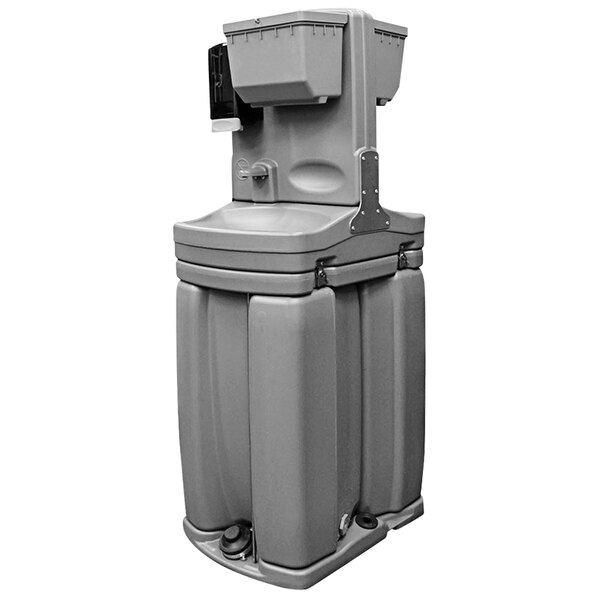
If you're wondering about rentable portable handwashing stations, the short answer is that they're a very useful way to maintain hygiene in areas without adequate or accessible traditional plumbing. Consider building sites, outdoor gatherings, emergency relief areas, or even bustling pop-up stores. These stations are available in a variety of configurations, ranging from simple soap and water handwashing stations to more sophisticated models with multiple sinks, foot pumps, and even hot water. They are the preferred option for guaranteeing public health and comfort in transient or remote settings because of their easy mobility, setup, and upkeep. Particularly for short-term needs, renting portable handwashing stations is frequently a better option than purchasing.
It spares you the initial expense and trouble of ownership, which includes storage, upkeep, & disposal. Also, you can concentrate on your primary tasks because rental companies take care of delivery, setup, and occasionally even servicing. Economy of cost. It can be expensive to purchase a portable handwashing station, especially if it's a larger, more sophisticated model. This capital expenditure is rarely justified for events or short-term projects. You can obtain top-notch equipment by renting it instead of making a long-term financial commitment.
You only have to pay for the time you need to use the station, which is frequently far more economical. This is particularly true when taking into account the depreciation of owned equipment as well as the expenses related to its maintenance and storage in between uses. Easy access and adaptability. The main attraction of rentals is how convenient they are.
The units are delivered straight to your location by rental companies, who also set them up & pick them up when you're finished. The logistical burden of transportation, installation, and disassembly is thus eliminated. Also, the duration of the rental is very flexible. Rental agreements can be customized to fit your unique schedule, whether you need a station for a day, a weekend, a week, or several months.
For dynamic settings like construction projects with varying durations or event planning, where requirements can change quickly, this flexibility is essential. Professional upkeep is covered. Maintenance is usually the rental company's responsibility when you rent. This implies that before delivery, they make sure the units are hygienic, sanitized, and functional.
Regular maintenance, such as cleaning touchpoints, emptying waste tanks, and replenishing soap and water tanks, is often included in rental agreements. This degree of expert supervision lessens your operational burden & ensures adherence to health regulations by guaranteeing that the handwashing stations stay clean and operational for the duration of your rental. You can select the handwashing station that best suits your needs by being aware of the various types. There is a station for every situation, ranging from basic sanitization to full-service washing.
These are the most straightforward & frequently used kind, offering a hand sanitizer dispenser with an alcohol base. When space is limited or soap and water aren't strictly required, they're great for rapid sanitization. Automatic vs. dispensers that are operated manually. There are two primary varieties of basic hand sanitizer stands.
In order to minimize touchpoints & stop the spread of germs, automatic sanitizer dispensers use a sensor. A push or pump is needed for manual dispensers, which are frequently more reliable in high-traffic areas or in situations where automatic units' batteries might be neglected. While both work well, automatic units are slightly more hygienic.
Just one vs. units with two sides. While some sanitizer stands have dispensers on one side, others are made to accommodate two people at once, thereby doubling their capacity in crowded areas.
For entrances or exits where traffic flows in several directions, double-sided units are ideal. Typical Handwashing Sinks for Transportation. Compared to sanitizer alone, these units offer a more complete cleaning experience by providing real soap & water. They are usually self-contained, independent, and durable.
Foot-pumped. Water is dispensed by a foot pump in many standard units. This is an essential feature for hygiene because it reduces cross-contamination by removing the need to touch a faucet handle. The water flow is activated by simply stepping on a pedal.
Self-contained waste & water containers. These stations have separate wastewater collection tanks and integrated freshwater tanks. They are incredibly portable & simple to set up practically anywhere because of their self-contained design, which eliminates the need for external plumbing connections. Each of these tanks has a different capacity, which determines how often they need to be refilled or emptied.
Multiple-sink stations.
Individual sinks may not be sufficient for events or locations with a lot of foot traffic. With two, four, or even more washing basins on a single unit, multi-sink stations greatly increase throughput and shorten wait times. Options Compliant with the ADA. Many multi-sink stations provide ADA-compliant options because accessibility is crucial.
These units ensure that everyone can practice good hand hygiene because they have lower basins, soap dispensers that are easier to reach, and more room underneath for wheelchair users. Soap dispensers and paper towels are integrated. Multi-sink stations frequently have built-in paper towel dispensers and large-capacity soap dispensers to offer a comprehensive handwashing solution.
This further improves user experience and eliminates the need for separate provisions by ensuring that all necessary components are available in one handy unit. Stations for washing hands with hot water. Although the majority of portable stations offer cold water, hot water units are offered in circumstances where a warmer wash is necessary or desired, like in food service applications or for user comfort in colder climates.
Propane heaters. Propane heaters are used in many hot water stations to warm the water. These are useful for remote areas because they are effective and offer a steady supply of warm water without the need for an electrical connection. Heating on demand.
On-demand heating, which heats water only when necessary, is a feature of some sophisticated hot water units. They are a more eco-friendly option while still offering the comfort of warm water because they save fuel and avoid needless energy use. Because of their adaptability, portable handwashing stations are ideal in a variety of settings.
Any place that needs additional options or lacks permanent handwashing facilities can profit. Building sites. Construction sites are frequently unclean, dusty, and remote from established plumbing. In order to maintain worker hygiene and comply with Occupational Safety and Health Administration (OSHA) regulations, portable handwashing stations are crucial. Generally speaking, they are resilient, simple to maintain, and able to endure challenging circumstances.
OSHA conformance. Employers are required by OSHA to provide adequate handwashing facilities for workers who handle contaminants, food, or situations where conventional facilities are not easily accessible. A simple solution to fulfill these important legal requirements and stay out of trouble is to use portable handwashing stations. Health and morale among employees. By lowering the rate of illness, having hygienic and easily accessible handwashing stations greatly improves worker health.
Beyond compliance, it also raises morale by showcasing an employer's dedication to employee welfare, which may result in higher output and lower absenteeism. Festivals and Outdoor Events. Large crowds are drawn to concerts, farmers' markets, fairs, marathons, and other outdoor events, which greatly increases the demand for hygienic facilities. In addition to portable restrooms, portable handwashing stations are an essential convenience.
High-traffic locations. In order to maximize accessibility and promote frequent handwashing—which is essential for managing public health in high-density environments—handwashing stations should be positioned strategically close to food vendors, restroom banks, & entry/exit points. Regulations for Food Service. Access to soap & water for handwashing is frequently mandated by law for events involving the preparation or consumption of food. In order to comply with health department regulations, portable hot water handwashing stations are often required for food service areas.
Disaster and Emergency Relief Areas. Access to sanitary facilities & clean water can be seriously hampered following a disaster. With their quick deployment, portable handwashing stations offer relief workers and impacted communities vital hygiene support. Quick Deployment.
Because they are self-contained, they can be quickly set up in field hospitals, distribution centers, & temporary shelters without depending on damaged infrastructure. For a prompt public health response, this quick deployment capability is crucial.
In disaster areas, maintaining hygiene is crucial to stopping the spread of infectious diseases. In settings where sanitation is frequently difficult, handwashing stations are essential because they provide a first line of defense against infections. Farming environments. Workers are frequently employed in isolated fields without permanent facilities at farms, orchards, and other agricultural operations. For field workers, portable handwashing stations are essential before & after breaks, particularly before meals.
Safety & comfort of workers. By lowering exposure to pesticides and other agricultural chemicals, handwashing stations located in the fields enhance worker safety. Also, it offers convenience and comfort while enabling employees to maintain personal hygiene throughout the workday. Standards for Food Safety.
In order to prevent crop contamination, produce growers are often required by food safety regulations to provide handwashing facilities for field workers. Meeting these strict requirements can be done practically with portable stations. Selecting the first portable handwashing station you come across isn't always the best option. Its suitability for your particular application can be greatly impacted by a number of features. Water Capacity and Waste Control. The freshwater & wastewater tanks must be the right size.
It establishes the maximum number of handwashes the device can perform before requiring maintenance. Larger tanks require less frequent maintenance, which can be a big benefit for long events or remote locations. The quantity of users in each tank. You can better plan for servicing intervals if you are aware of the approximate number of uses per tank fill.
These estimates, which are typically based on the average amount of water used per wash, can be provided by rental companies. This enables you to determine whether a larger capacity model is required or if a standard unit will do. Emptying and refilling are simple. Even though servicing is frequently handled by rental companies, it's helpful to understand the procedure. Easy-to-empty and refill units will reduce downtime and possible disruption, guaranteeing constant access to handwashing stations. Dispensers of paper towels and soap.
There is more to a full handwashing station than just water. Effective hygiene requires integrated soap and paper towel dispensers. To prevent frequent refilling, check the dispensers' capacity. High Capacity Choices. Look for units with large soap and paper towel dispensers in high-traffic areas.
Think about the possible weather at your location. Strongly built units with parts that can withstand UV rays, rain, and temperature changes will function better and last longer. Anti-Tip Style. Stability is essential, particularly in areas with heavy traffic or wind.
To ensure user safety, look for units with wide bases or designs that reduce the possibility of tipping. Setup simplicity and portability. Even though rental companies handle setup and delivery, it is still helpful to comprehend the portability factor.
If your needs change while on the job site, lighter units with integrated handles or wheels can be readily moved. Handle and wheels. If minor adjustments are required after initial placement, the heavy-duty wheels and well-positioned handles of many portable handwashing stations make them surprisingly simple for one person to operate.
Small footprint.
A small footprint is a big benefit for locations with limited space. To make sure the unit fits comfortably without blocking pathways, balance the number of sinks and tank capacity with the available physical space. Generally speaking, renting portable handwashing stations is an easy procedure that is intended to be as simple as possible. You can make an informed choice & guarantee a seamless experience by being aware of the procedures involved.
First consultation & quotation. First, get in touch with a trustworthy rental company. The number of guests, the length of the rental, the nature of the event or location, and any special needs you may have (such as hot water or ADA compliance) will all be discussed. They will offer a comprehensive quote based on this. The quantity of units needed.
Depending on foot traffic, the type of event, and local laws, the rental company can assist you in determining the right number of units. Generally speaking, there should be one handwashing station for every 75–100 people, though this can vary. Length of Rental.
Make sure to specify the length of your rental. This has a direct effect on pricing and enables the business to efficiently schedule delivery, servicing, and pickup. Discounted daily or weekly rates are frequently offered for longer rental periods. Transportation, Configuration, & Maintenance.
Logistics will be handled by the rental company once the agreement is in place. They will deliver the units to the address you have specified, make sure they are operational & correctly set up, and make arrangements for continued maintenance if necessary.
Scheduled upkeep.
Regular maintenance is essential for longer rentals. Wastewater pumping, freshwater tank replenishment, soap and paper towel replenishment, and general unit cleaning and sanitization are usually included in this. When making a reservation, make it clear how frequently these services are offered. Help for emergencies.
Inquire about emergency assistance or quick reaction times for unforeseen problems, like a device running out of soap or water too soon or mechanical issues. A trustworthy rental company will have a mechanism in place to quickly resolve these issues. Finalization and pickup. The business will come back at the conclusion of your rental period to retrieve the handwashing stations. They'll make sure the units are removed neatly and effectively so you can end the rental agreement without any unresolved problems.
Site tidiness. Reputable rental companies make sure that when the stations are picked up, there are no spills or debris left in the area. One of the characteristics of a good service provider is their professionalism.
Reporting and billing.
Learn about the billing structure before the rental officially ends. For your records or compliance auditing, some businesses may offer usage reports or detailed information about servicing completed. You can choose & rent portable handwashing stations with confidence if you take these factors into account, guaranteeing that you get the best option for your hygiene requirements. .
FAQs
What is a portable handwashing station rental?
A portable handwashing station rental is a self-contained unit that provides a convenient and hygienic way for people to wash their hands while on the go. These stations are often used at outdoor events, construction sites, and other locations where traditional handwashing facilities are not readily available.What are the benefits of renting a portable handwashing station?
Renting a portable handwashing station provides a convenient and accessible way for people to maintain proper hand hygiene, especially in locations where traditional handwashing facilities are not available. This can help prevent the spread of germs and reduce the risk of illness.What features are typically included in a portable handwashing station rental?
Portable handwashing stations typically include a water tank, soap dispenser, and paper towel dispenser. Some units may also include a foot pump for hands-free operation, as well as a wastewater tank for easy disposal.How do I rent a portable handwashing station?
To rent a portable handwashing station, you can contact a rental company that specializes in portable sanitation equipment. They can provide you with information on available units, pricing, and delivery options.Are there any specific requirements for using a portable handwashing station?
When using a portable handwashing station, it is important to follow proper handwashing techniques, including using soap and water for at least 20 seconds. Additionally, it is important to properly dispose of any wastewater in accordance with local regulations.If you have questions about renting a handwashing station or porta potty rental, contact your local 2 Pees in Pot today.