


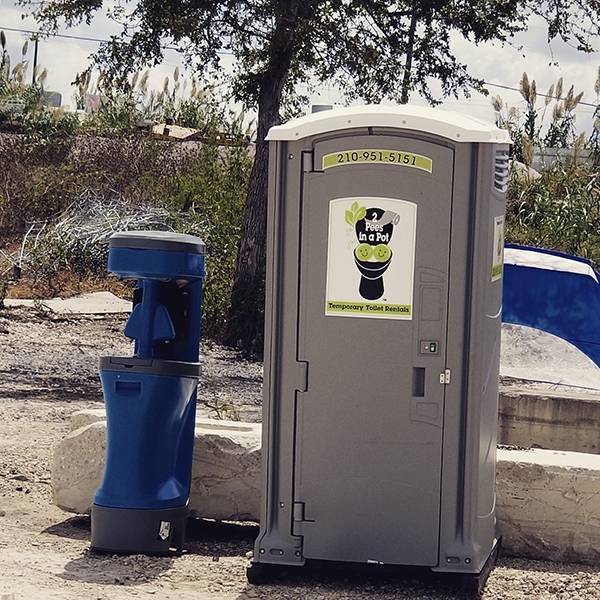
Keeping a construction site hygienic involves more than just disposing of waste properly; it also includes the sometimes disregarded need for clean portable restrooms. Worker morale, productivity, and even the project's reputation can all suffer if these crucial facilities are neglected. This article will walk you through the doable actions you can take to maintain the cleanliness and functionality of the porta potties on your construction site. For porta potty hygiene to be maintained, consistency is crucial. Unsanitary conditions are an inevitable consequence of a haphazard approach. Daily spot inspections and light cleaning.
Daily spot checks are essential, even on days when a professional service isn't planned. These entail brief visual inspections and small adjustments. Supplies for Spot Checks: Make sure the porta potty or a designated nearby location has an easily accessible supply of basic cleaning supplies. Paper towels, hand sanitizer, & all-purpose cleaner fall under this category.
Wiping Down Surfaces: Tell employees to quickly clean high-touch areas like the seat, door handle, & dispenser buttons. This greatly slows the spread of germs while requiring very little time. Emptying Small Waste Bins: Make sure that a designated person or team member empties any small waste bins that are provided for items like paper towels or feminine hygiene products every day. This lessens smell and stops overflow. Deep Cleaning Procedures Every Week. A more thorough weekly cleaning is necessary to avoid buildup and uphold a higher standard of hygiene, even though daily spot checks handle urgent issues.
Professional Cleaning Services: Hiring a professional porta potty rental and service company is the best way to get a deep clean. They have specific equipment, cleaning supplies, and waste disposal techniques. Scheduled Service Days: Make sure all employees are aware of the scheduled service days. This guarantees that the units are available for servicing & permits scheduling around the cleaning procedure. Verification of Cleaning: Put in place a mechanism to confirm that the expert cleaning was completed to a suitable level.
This might entail a straightforward check-off list or a site supervisor's visual inspection. Accountability and Records. Only when a thorough cleaning schedule is regularly adhered to & recorded will it be successful.
Keep cleaning records for every porta potty. The time & date of the cleaning, the name of the person or business doing the cleaning, and any problems found should all be noted in these logs. Assignment of Responsibilities: Clearly designate who is in charge of managing and carrying out the cleaning schedule.
This guarantees that someone is responsible for the condition of the facilities. Feedback Mechanism: Provide a way for employees to comment on how clean the porta potties are. This could be a designated point of contact or an anonymous suggestion box.
No matter how often a porta potty is cleaned, a shortage of necessary supplies can quickly make it unfit for use and unhygienic. Hand sanitizer or washing stations. On a construction site, hand hygiene is essential to stopping the spread of illness. Alcohol-Based Hand Sanitizer: Place large-capacity, easily accessible dispensers of alcohol-based hand sanitizer inside every porta potty.
Make sure you refill these dispensers on a regular basis. Freestanding Handwashing Stations: On larger sites or in locations where water access is permitted, think about adding freestanding handwashing stations to hand sanitizers. These stations frequently offer a more comprehensive cleaning choice. Soap and Paper Towels: Make sure that biodegradable soap and paper towels are regularly available at handwashing stations if they are used. supply of toilet paper.
The frequent & easily preventable issue of running out of toilet paper has a big negative influence on the user experience. Ample Supply: Make sure each unit has a sufficient backup supply of toilet paper or provide multi-roll dispensers. Frequent Checks: Make sure to check and replenish toilet paper as part of your daily spot check schedule. Quality Considerations: Although high-end toilet paper isn't necessary on construction sites, a product of reasonable quality will improve user comfort and lessen obstructions.
Odor Control Methods. Unpleasant smells can be a sign of more serious sanitary problems & are the main reason people avoid using porta potties. Ventilation: Verify that the porta potties' ventilation systems are clear and operational.
In order to dissipate odors, proper airflow is essential. Deodorizing Liquids/Discs: Use professional-grade deodorizing liquids or discs made especially for portable toilets. Odor-causing bacteria are frequently broken down by these products' enzymatic action. Frequent Pumping: The best long-term odor control strategy is for the service provider to pump the waste tank on time.
Odors get much stronger when tanks are overfilled. Worker behavior has a significant impact on the state of porta potties, so the cleaning crew is not entirely to blame. Unambiguous signage and communication. Effective communication is the cornerstone of winning over employees. Post Usage Guidelines: Post succinct, unambiguous signage describing proper usage behavior both inside and outside each porta potty.
Instructions on waste disposal, flushing (if applicable), & reporting concerns may be included. Benefits of Cleanliness: Give employees a brief explanation of the advantages of keeping facilities clean, focusing on better hygiene and a more comfortable working environment. Reporting Mechanism: Make it clear to employees how they can report problems like low supplies, damage, or unhygienic conditions. Waste disposal that is designated. Blockages & unhygienic conditions can quickly result from improper waste disposal in porta potties.
No Food or Construction Waste: Make it clear that no non-human waste, including food waste and construction debris, may be disposed of in the porta potties. Separate Bins: Place distinct, easily identifiable trash cans close by for general garbage. Feminine Hygiene Bins: Place tiny, lidded containers for feminine hygiene supplies inside the porta potties at locations where there are female employees. This keeps waste from ending up in the toilet, which can lead to plumbing problems. Site Supervisor Participation.
Site supervisors' active participation can have a big impact on employee compliance. Leading by Example: Supervisors who demonstrate respect for the facilities by using them appropriately and encouraging others to do so set a positive example. Frequent Reminders: Include quick reminders about porta potty etiquette in toolbox talks or morning briefings. Handling Misuse: Deal with instances of vandalism or misuse in a timely and appropriate manner. Rules are made more important when they are consistently enforced.
Your porta potties' cleanliness & usability are directly impacted by their location and regular maintenance. Considerations for the Best Location. Convenience can be increased and possible problems reduced with careful placement.
Accessibility: To reduce travel time throughout the site, place porta potties in easily accessible areas for every employee. Visibility: Make sure the units are visible, but not so much that they become targets for vandalism. Units should be placed strategically close to active work areas, but not so close as to obstruct work or cause annoyance. Firm, Level Ground: To avoid tipping & offer stability, make sure the units are set on firm, level ground.
routine maintenance and pumping. Long-term porta potty hygiene requires regular professional maintenance, which cannot be compromised. Respect for Contractual Frequency: Make sure your service provider follows the pumping and cleaning schedule as agreed. Don't prolong or postpone service intervals. Reporting Problems to the Provider: As soon as you notice any problems with the units (e.g.
A g. damage, leaks, and lingering smells) to your service provider so they can be fixed or replaced. Seasonal Adjustments: Because waste breaks down more quickly and odors become more noticeable during hotter months or times of high activity, think about increasing service frequency during these times. safeguarding units against vandalism and damage. Due to their vulnerability to damage, porta potties may result in unhygienic conditions & higher expenses.
Secure Location: Take into account anchoring units in places where vandalism or strong winds are likely to occur. Frequent Inspections: Include a structural examination of every unit in the weekly deep cleaning schedule. Check for damage such as cracks or broken latches. Reporting Damage Quickly: Let your rental company know about any damage so they can fix it right away. Timely repairs preserve usability and stop additional deterioration.
Unexpected events can happen even with the best of intentions. Having an emergency plan is essential. dealing with spills & overflows. An overflowing porta potty needs to be fixed right away because it poses a serious health risk.
Prompt Reporting: Create a precise procedure for promptly reporting any spill or overflow. A designated contact person or emergency line should be involved in this. Containment Measures: To handle small spills until expert assistance arrives, have basic spill containment supplies on hand, such as absorbent pads or sand.
Professional Cleanup: If there are large overflows, do not try to clean them yourself. For expert hazmat cleanup, get in touch with your porta potty service provider right away. Handling damage or vandalism.
Vandalism can make a porta potty unsafe and unusable. Reporting Vandalism: Notify local authorities and site management of any vandalism that occurs. Securing Damaged Units: To keep workers from trying to use any damaged porta potty & to contain any potential hazards, cordon it off right away.
Replacement or Repair: Get in touch with your service provider to schedule the damaged unit's repair or, if required, replacement. Extra units or temporary relocation. Changes to your porta potty setup may be necessary in certain situations. Unexpected Workforce Growth: To maintain a suitable worker-to-unit ratio, be ready to order extra units if the number of workers on site unexpectedly rises. Site Layout Changes: To maintain worker accessibility, porta potties may need to be moved either temporarily or permanently if work areas change considerably.
Severe Weather: To prevent damage or access problems, units may need to be secured, temporarily moved, or relocated during severe weather conditions like strong winds or flooding. By putting these tactics into practice, you are investing in your employees' well-being, productivity, and morale rather than just meeting a logistical need. An essential element of a well-run and successful project is a clean porta potty on a building site.
.
FAQs
1. Why is it important to maintain the cleanliness of porta potties on construction sites?
It is important to maintain the cleanliness of porta potties on construction sites to ensure the health and safety of workers. Dirty and unsanitary facilities can lead to the spread of germs and bacteria, causing potential health hazards.
2. What are some tips for maintaining the cleanliness of porta potties on construction sites?
Some tips for maintaining the cleanliness of porta potties on construction sites include regular cleaning and disinfecting, providing hand sanitizer or hand-washing stations, and ensuring proper ventilation to reduce odors.
3. How often should porta potties be cleaned on construction sites?
Porta potties on construction sites should be cleaned and serviced regularly, ideally on a weekly basis or more frequently depending on the usage and number of workers on site.
4. What are the consequences of neglecting the cleanliness of porta potties on construction sites?
Neglecting the cleanliness of porta potties on construction sites can lead to unsanitary conditions, foul odors, and the spread of germs and bacteria, which can pose health risks to workers and visitors on the site.
5. Are there any regulations or guidelines for maintaining the cleanliness of porta potties on construction sites?
Yes, there are regulations and guidelines set by occupational health and safety authorities that require construction sites to provide clean and sanitary facilities for workers. These regulations may vary by location, but generally require regular cleaning, maintenance, and provision of hygiene supplies for porta potties.
If you are looking to rent a porta potty for a construction site or for any other event or reason, contact 2 Pees in a Pot for all your porta potty rental needs.