


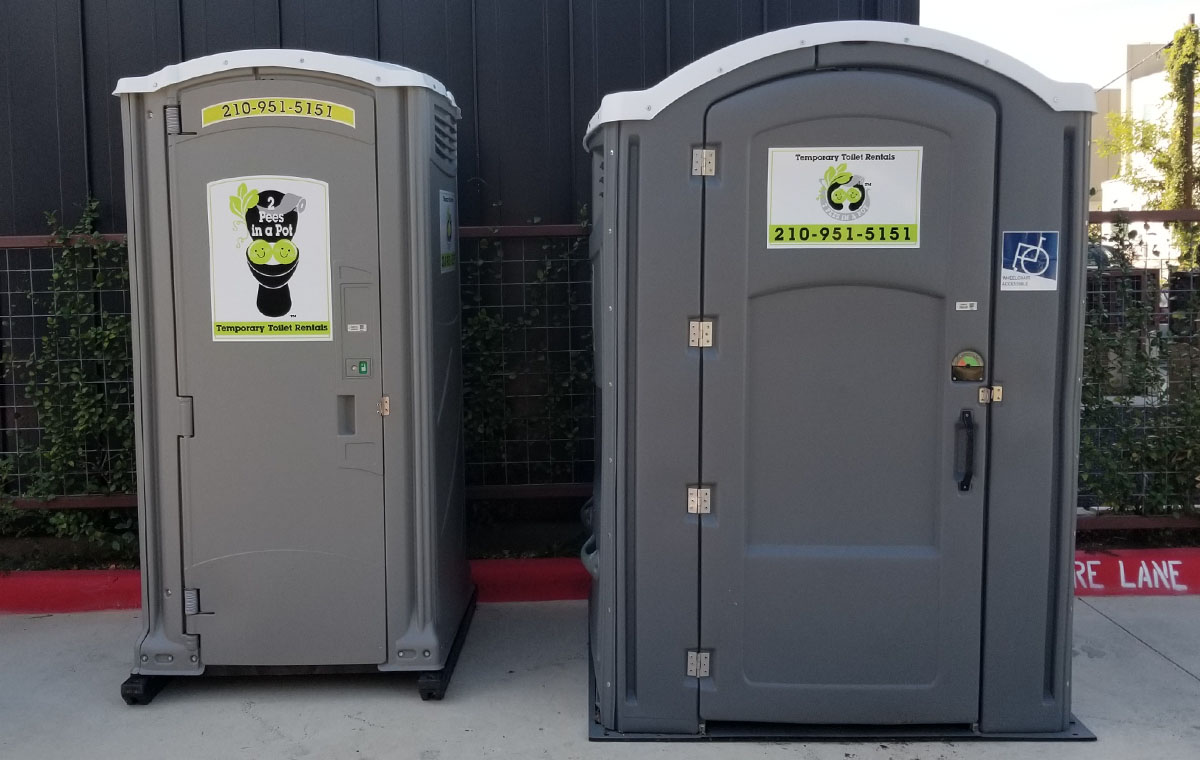
You understand the unrelenting demands of a job site because you work in the construction industry. You are in charge of every aspect, including the safety procedures for your employees and the structural soundness of your buildings. The correct disposal of waste in construction porta potties is a less glamorous but equally important factor that is frequently ignored until issues arise amid the heavy machinery, the blueprints, and the concrete. Hygiene is only one aspect of this; other factors include compliance, employee morale, environmental responsibility, and, in the end, the reputation and financial success of your business.
Ignoring this seemingly insignificant detail can result in significant operational and financial issues. Porta potties' essential function on construction sites. On your construction sites, porta potties are installed as a necessity rather than as a luxury.
They give your employees the facilities they need to do their jobs without experiencing excessive discomfort or having to leave the location frequently. Productivity and efficiency are directly impacted by this. Without easily accessible and well-maintained facilities, you run the risk of work stoppages, low morale, and possible health risks.
adherence to local & OSHA regulations. Sanitation is one of the many rules that govern working conditions that you must abide by. Employers are required to provide restrooms for their workers by the Occupational Safety & Health Administration (OSHA).
These rules frequently outline how many units are needed depending on the size of your workforce and how long the project will take. Legal ramifications and hefty fines may follow noncompliance. The location, upkeep, and disposal of waste for portable restrooms are all subject to strict regulations set by local health departments. To avoid penalties, you must be aware of & follow these particular local ordinances. It is not a legitimate defense to be ignorant of these laws.
preserving employee morale and output. Imagine working an eight-hour shift without having access to a functional & hygienic restroom. If your porta potties are neglected, your employees must deal with this reality. Providing hygienic, well-maintained apartments shows your staff that you care about their comfort and wellbeing.
This ultimately results in a happier workplace, fewer needless off-site breaks, and higher productivity. On the other hand, an untidy or overflowing porta potty can be a major demotivator, causing resentment and lowering morale, in addition to being unpleasant. Your team should be concentrated on the current task rather than the next spotless restroom.
Your responsibility goes beyond the actual structure you are building, and your construction activities have an inherent impact on the environment. Inadequate management of the waste produced in porta potties can have detrimental effects on the environment. Recognizing the Dangers of Untreated Human Waste.
There are numerous bacteria, viruses, and pathogens in the biological waste that you are handling. E may be one of them. rotavirus, norovirus, coli, salmonella, and so forth. This waste becomes a major source of contamination if it is not properly contained and treated.
soil & water source contamination. You run the risk of contaminating the surrounding soil if porta potty waste leaks, spills, or is improperly emptied. Local communities' sources of drinking water may become contaminated as a result of this contaminated soil seeping into groundwater supplies.
This waste can enter streams, rivers, & even larger bodies of water through surface water runoff, particularly during rainy seasons. This can have an adverse effect on aquatic ecosystems and possibly spread disease. You will be held responsible for any long-term and significant environmental harm.
Disease transmission & risks to public health. Untreated human waste contains pathogens that can spread quickly. Workers may unintentionally transport these pathogens off-site if they come into contact with contaminated surfaces or soil. Waste can also spread because animals are drawn to it. This can result in major risks to public health, such as outbreaks of infectious diseases and gastrointestinal disorders, in areas close to residential communities.
You are accountable for reducing the risk to the larger community in addition to your employees' health. Such an incident may have disastrous legal and reputational repercussions. Providing a safe workplace for your staff is your top priority. This includes offering facilities that are safe for people's health.
This commitment is directly jeopardized by improperly maintained porta potties. contact with infectious agents and biohazards. You need to make sure your employees are safe because you are asking them to use these facilities. An environment conducive to the growth of bacteria & viruses is created by poorly maintained or overflowing porta potties. Following direct contact with contaminated surfaces, airborne particles, or even insect vectors drawn to the waste, workers are exposed to these biohazards.
The possibility of contracting viruses and bacteria. Numerous infections can result from coming into contact with contaminated surfaces inside a dirty porta potty. It is possible to get hepatitis A, gastroenteritis, & even more serious diseases. Employees may then spread these infections to their families and coworkers, resulting in a more widespread health issue.
You have an obligation to reduce these risks. Failing to do so may result in worker illness, lost productivity as a result of sick leave, and possible worker's compensation claims. bringing vermin and pests. Pests like flies, mosquitoes, rodents, and other vermin are drawn to untreated waste & uncleaned spaces.
In addition to adding to the unhygienic conditions, these pests have the potential to spread disease. For example, pathogens from waste can be picked up by flies and transferred to food or other surfaces. Rodents can cause property damage and the spread of diseases. If you let these conditions continue, you are creating an unhealthy ecosystem on your site.
Reputation and financial stability are critical in the competitive industry you work in. Both can be seriously impacted by improper waste disposal in porta potties. This is about serious long-term harm, not just minor fines. Regulatory bodies' fines & penalties. If you don't comply, you will suffer immediate financial consequences.
OSHA and regional health departments are among the regulatory agencies that carry out inspections. You will be fined if it is discovered that your porta potties are unhygienic, poorly maintained, or insufficiently numerous. The severity of these fines varies, but they can add up quickly, particularly for repeated infractions.
Over time, operational costs have increased. In addition to fines, neglecting maintenance can result in higher operating expenses. Emergency servicing is necessary when a porta potty overflows, & it is unavoidably more expensive than routine waste removal. Units that have been damaged by carelessness or prolonged waste overflow may require expensive repairs or complete replacement.
Also, you will have to deal with higher medical expenses, workers' compensation claims, and the financial burden of lost productivity if employees become ill as a result of unhygienic conditions. Neglecting care will save you pennies, but the remediation will cost you dollars. harm to the public perception and reputation of the business. An important asset of your business is its reputation. In the era of social media, reports of unhygienic conditions at your place of employment can spread swiftly. Construction sites are frequently closely observed by local communities.
Negative publicity about inadequate sanitation can damage public confidence & make it more difficult to get contracts in the future, particularly in public sectors or with clients who care about the environment. Some clients who place a high value on responsible site management may effectively blacklist you. Litigation risks and legal obligations. If employees or members of the public become ill as a result of your failure to maintain hygienic conditions, you may be held legally liable. Due to the possibility of punitive damages, settlements, and legal fees, lawsuits can be expensive.
It takes a lot of resources and takes focus away from your main business operations to defend against such claims. You must put in place a reliable system for handling porta potty waste in order to reduce all of these risks. This calls for careful planning, dependable partner selection, and consistent execution. collaborating with experts in waste management services.
You shouldn't try to clean up porta potty waste on your own. This is a specialized service that calls for certain tools, skilled workers, and compliance with environmental laws. It is imperative to collaborate with a respectable waste management company. Frequent schedules for servicing. Together with your waste management company, set up a routine maintenance schedule.
The number of units, the size of your workforce, & the length of your project will all affect the frequency. Weekly maintenance is the bare minimum for the majority of construction sites, and more frequent maintenance is required for larger sites or during periods of high usage (e.g. (g). Perhaps twice a week. Make sure the precise services—such as waste removal, cleaning, replenishing supplies (hand sanitizer, toilet paper), and disinfection—are specified in your contract. You ought to get records of every service visit.
appropriate unit placement and accessibility. Porta potties must be positioned strategically. They should be placed on level, stable ground that is easily accessible to all employees & away from areas with high foot traffic. Think about picking a spot that the service truck can get to with ease so that waste can be removed effectively and unhindered.
To preserve privacy & avoid clustering, make sure units are appropriately spaced. It's crucial to have appropriate signage pointing employees in the direction of the facilities, particularly on larger, more expansive sites. It is your duty to make sure that every employee is aware of where these facilities are located & how to get there safely. ensuring proper upkeep and supplies.
You participate in the daily upkeep and monitoring, but the service provider takes care of the waste. Keeping necessary supplies stocked. Every porta potty should have the following necessary supplies.
Toilet paper: Keep plenty on hand at all times. Running out is a frequent complaint that rapidly diminishes the unit's usefulness. Hand sanitizer: In locations without running water, waterless hand sanitizer dispensers are essential for maintaining good hand hygiene. Make sure they are frequently replenished. Air fresheners and odor control packets can help control offensive odors in between services, making the units more bearable for your employees, but they are not a replacement for cleaning.
A designated individual should be on-site to periodically check these supplies and either replenish them from a dedicated on-site stock or report shortages to the service provider. encouraging & upholding good hygiene. Facilities alone are insufficient; proper use of them must also be promoted.
Signage: Put up contact details for reporting problems, basic hygiene guidelines, and explicit usage instructions. Worker education: During your safety briefings, include a quick talk about porta potty hygiene. Remind employees how important it is to wash their hands (or use hand sanitizer) after using the facilities. Reporting system: Provide a transparent way for employees to report unhygienic conditions, a shortage of supplies, or unit damage. Responding to these reports quickly shows that you care about their welfare. The efficiency of the waste disposal system is ensured by your proactive participation in these details.
routine reporting and inspections. Responsibility cannot be fully delegated. It is imperative that you continue to actively monitor the state of your porta potties.
Site checks every day or every week. Assign a site manager or supervisor to check all porta potties on the property every day or at least once a week. What should they search for? Cleanliness: Evaluate how clean the interior is overall, taking into account the floor, walls, and seat. Waste levels: Determine the tank's waste level. You must modify your servicing frequency if it is getting close to capacity before the next scheduled service.
Verify sufficient supplies of hand sanitizer and toilet paper. Damage: Determine whether the unit has any structural problems, broken locks, or graffiti. Odor: Take note of any oddly potent smells that could point to an issue that goes beyond routine maintenance. Issue documentation and follow-up.
Keep a record of these inspections, noting any problems discovered and the steps taken to fix them. Keeping a record of these inspections is essential for compliance and serves as proof of your diligence in the event that an incident arises. If you report a problem to your service provider, note the time & date of the report and check to see if it has been fixed.
Effective management requires this accountability loop. Emergency readiness. Unexpected events can occur despite best efforts. You need to have an emergency plan. Spill Procedures. Provide precise guidelines for handling spills.
This entails having spill kits on hand, being aware of who to call (internal staff as well as your waste management company), and knowing how to contain and clean up spills. Your employees should receive training on how to respond to such an incident in a safe manner. solutions for backup. Think about having a backup plan in case a unit is unexpectedly full or becomes unusable due to damage. This could entail a rapid response agreement with your service provider or keeping an additional unit ready for big projects.
In the end, appropriate waste disposal in construction porta potties is an essential part of responsible site management & is not an optional extra. Your team will work in a safer, healthier, and more productive construction environment if you follow these best practices, which will also protect the environment and your company's reputation and financial stability. You have to see this as an essential service that needs ongoing support and funding. .
FAQs
What is the importance of proper waste disposal in construction porta potties?
Proper waste disposal in construction porta potties is important to maintain a clean and hygienic environment on construction sites, prevent the spread of diseases, and comply with environmental regulations.How does proper waste disposal benefit the environment?
Proper waste disposal in construction porta potties helps to prevent pollution of soil and water sources, reduces the risk of contamination from hazardous materials, and promotes sustainable construction practices.What are the potential health risks of improper waste disposal in construction porta potties?
Improper waste disposal in construction porta potties can lead to the spread of harmful bacteria and viruses, increase the risk of illness among workers, and contribute to poor air quality on construction sites.What are some best practices for proper waste disposal in construction porta potties?
Best practices for proper waste disposal in construction porta potties include regular maintenance and cleaning, using biodegradable and environmentally friendly products, and following local regulations for waste management.How can construction companies promote proper waste disposal in porta potties?
Construction companies can promote proper waste disposal in porta potties by providing adequate facilities, educating workers on the importance of waste management, and implementing waste reduction and recycling initiatives on construction sites.Contact 2 Pees in a Pot for all your porta potty & trailer rental needs.